
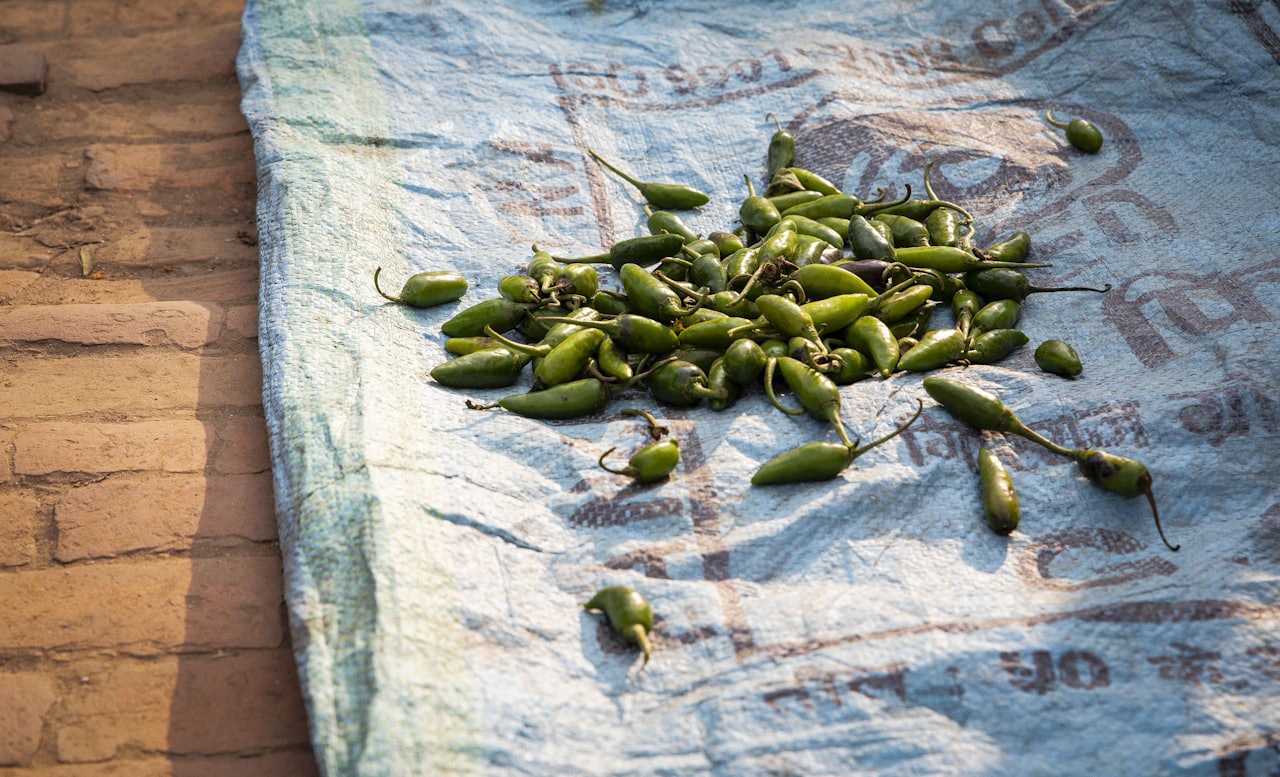
The Scoville Scale – Understanding Chilli Pepper Heat
Development of the Scoville Scale
Wilbur Scoville first created the Scoville Scale while working for the pharmaceutical company Parke-Davis. His task was to develop a reliable method of measuring the heat of various chilli peppers, as there were no precise tools available at the time. The result was the Scoville Organoleptic Test, which involved dissolving a measured amount of pepper extract in alcohol, then diluting it with sugar water. A panel of testers would sample the solution, and the heat level was determined by how much dilution was required before the heat could no longer be detected. The number of dilutions needed represented the Scoville Heat Unit (SHU) of the pepper.
While the original test was effective, it relied on human taste and perception, which could vary significantly between individuals. Today, more precise methods such as High-Performance Liquid Chromatography (HPLC) are used to measure the actual capsaicin content in peppers. Despite these advances, the Scoville Heat Unit remains the standard for measuring the heat of chillies.
Heat Levels on the Scoville Scale
The Scoville Scale spans a wide range of heat levels, from peppers with little to no heat to the extreme intensity of super-hot chillies. Below is an overview of the various heat levels on the scale, ranging from mild to superhot.
Mild Heat (0–5,000 SHU)
At the lower end of the scale, we find chillies that provide a mild, subtle heat or none at all. These peppers are often used in salads, stir-fries, and as garnishes, where their slight heat adds a refreshing kick without overpowering the dish.
- Bell Pepper (0 SHU): These peppers have no heat and are known for their sweet, mild flavour. They are commonly used in salads, sandwiches, and a variety of cooked dishes.
- Banana Pepper (500–1,500 SHU): These peppers offer a slight heat that is perfect for pickling and adding a mild tang to dishes.
- Padrón Pepper (500–2,000 SHU): These small green peppers are mildly spicy when young, and their heat can vary from one to another. They are often grilled or fried.
Moderate Heat (5,000–30,000 SHU)
These chillies offer a noticeable heat but are still manageable for most people, making them popular in cooking and for adding a bit of spice without being overwhelming. They are commonly used in salsas, sauces, and even as toppings for various dishes.
- Jalapeño (3,500–8,000 SHU): One of the most well-known peppers, jalapeños add a medium heat to many dishes like tacos, nachos, and salsas. When mild, they can be eaten raw, but they can also be pickled for a tangy, spicy kick.
- Cayenne Pepper (30,000–50,000 SHU): A common ingredient in hot sauces and spice mixes, cayenne pepper provides a sharp, biting heat that adds depth to dishes without being too overpowering.
Hot Heat (30,000–100,000 SHU)
As we move into the hotter range, the peppers become increasingly intense. These varieties are perfect for those who enjoy a good kick but still want to be able to taste the flavours of the dish without being overwhelmed by the heat.
- Serrano Pepper (2,000–5,000 SHU): Slightly hotter than the jalapeño, serrano peppers are often used fresh in salsas, guacamole, and sauces.
- Tabasco Pepper (30,000–50,000 SHU): The pepper used in Tabasco sauce, these small, fiery red chillies are perfect for adding a sharp, tangy heat to dishes.
- Thai Bird’s Eye (50,000–100,000 SHU): A small, intensely spicy pepper commonly used in Southeast Asian cuisine, especially in curries, stir-fries, and sauces.
Very Hot Heat (100,000–350,000 SHU)
These chillies are extremely hot and typically used for those who enjoy intense heat, but without venturing into the superhot category. They offer a strong heat punch while still being somewhat manageable for experienced spice lovers.
- Habanero (100,000–350,000 SHU): Known for its fruity flavour and intense heat, the habanero is often used in hot sauces and spicy salsas. Despite its heat, it offers a distinctive flavour that is highly prized by chilli enthusiasts.
- Scotch Bonnet (100,000–350,000 SHU): Similar to the habanero in both heat and flavour, the Scotch Bonnet is a staple in Caribbean cuisine, particularly in jerk seasoning and hot sauces.
- Fatalii (300,000–400,000 SHU): Native to Africa, the Fatalii has a citrusy, bright flavour alongside its powerful heat, often used in sauces and salsas.
Very Very Hot Heat (350,000–1M SHU)
While the Very Hot category ends around 350,000 SHU, there is a group of chillies that pushes into the Superhot range but doesn’t quite break the 1 million SHU mark. These peppers provide extremely intense heat, but with a slight reduction in potency compared to the hottest peppers.
- Devil’s Tongue (500,000–700,000 SHU): This pepper sits just below the superhot range, with a fruity flavour accompanying a sharp and persistent heat. It’s commonly used in hot sauces and spicy dishes.
- Chocolate Habanero (500,000–800,000 SHU): A darker variant of the traditional habanero, the Chocolate Habanero brings a smoky and sweet taste to its fiery heat, making it a popular choice for sauces and salsas.
Superhot Heat (1,000,000+ SHU)
Superhot chillies are typically those with heat levels of over 1 million SHU. These peppers are reserved for true spice lovers and those seeking the most extreme levels of heat. The heat from these varieties is intense and can linger long after consumption, often producing a burning sensation that can last for minutes or even hours. These peppers are used in ultra-hot sauces, spice challenges, and for those looking to test their heat tolerance.
- Ghost Pepper (Bhut Jolokia) (1,041,427 SHU): Once the hottest pepper in the world, the Bhut Jolokia is famous for its extreme heat and smoky flavour. It is used in sauces, curries, and for creating one-chip challenges.
- Trinidad Moruga Scorpion (1,463,700 SHU): This pepper is one of the hottest on the planet, offering a fruity flavour followed by intense heat that lingers for a long time.
- Carolina Reaper (1,641,183 SHU): Currently the hottest pepper in the world, the Carolina Reaper boasts a terrifying heat level, combined with a sweet, fruity flavour. It has been used to create some of the most extreme hot sauces and challenges in the world.
Conclusion
The Scoville Scale provides a useful guide to understanding the heat levels of various chillies, ranging from mild peppers like bell peppers to the extreme heat of superhot varieties like the Carolina Reaper. Whether you’re a casual consumer who enjoys a little spice or a dedicated heat seeker, the Scoville Scale helps you gauge the intensity of the heat and make informed decisions when choosing chillies for cooking, hot sauces, or even for a personal spice challenge. Understanding the heat levels of different peppers can also help you tailor your cooking to match your preferred heat tolerance, ensuring that every dish is just the right amount of fiery!