
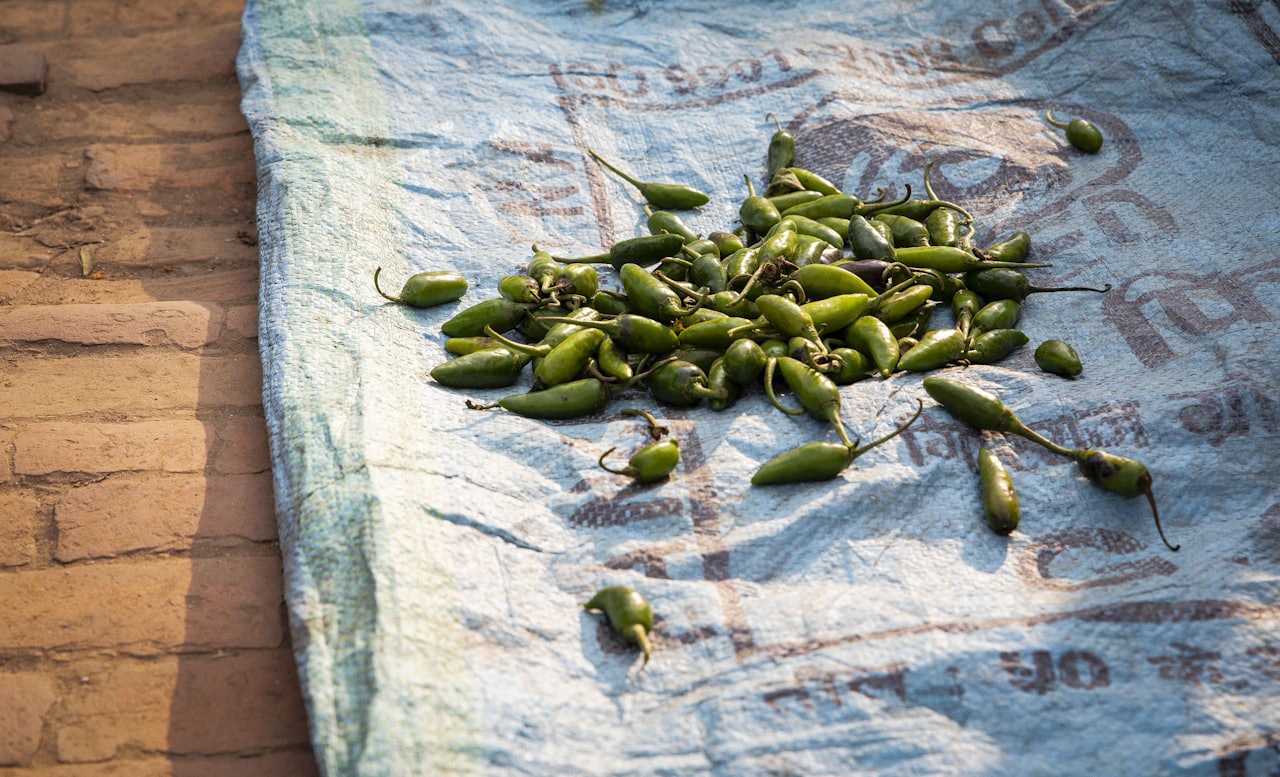
Step-by-Step Guide to Growing Chillies
Step-by-Step Guide to Growing Chillies
Growing chillies in the UK requires a good understanding of their needs, as they thrive in warm, bright conditions. Starting indoors gives your plants a head start before the UK’s growing season begins. Follow this detailed guide for best results.
Step 1: Sowing Seeds Indoors (January–March)
1. Choose Your Seeds
- Pick varieties suited to your space and preferences. For example:
- Compact varieties: Basket of Fire or Ring of Fire (ideal for smaller spaces).
- Super-hot varieties: Carolina Reaper, Ghost Chili, or Trinidad Moruga Scorpion.
- Mild varieties: Jalapeños or Hungarian Wax.
2. Prepare Your Equipment
- Seed trays or small pots: Ensure they have drainage holes.
- Seed compost: Use fine, well-draining seed-starting compost.
- Heated propagator: Maintains consistent warmth for germination.
- Grow lights: Provide full-spectrum LED lighting (essential for low-light UK winters).
- Labels: To keep track of varieties.
- Spray bottle: For gentle watering.
3. Sowing Process
- Fill trays or pots with damp seed compost, firming gently.
- Sow 1–2 seeds per cell or pot, about 0.5 cm deep.
- Cover lightly with compost or vermiculite.
- Mist the surface with water.
- Place in a heated propagator set to 25–30°C. If unavailable, place pots on a sunny windowsill or near a radiator, but ensure consistent warmth.
4. Provide Lighting
- Once seeds germinate (7–21 days), move them to a brightly lit area or set up grow lights.
- Position the lights 10–15 cm above the seedlings and adjust as they grow to prevent leggy plants. Aim for 12–16 hours of light per day.
5. Maintain Ventilation
- Use a small oscillating fan to circulate air, mimicking natural conditions and preventing damping-off disease. Keep the fan on a low setting and position it away from seedlings.
Step 2: Caring for Seedlings (Late February–April)
1. Watering
- Keep compost moist but not waterlogged. Allow the top layer to dry slightly before re-watering.
- Water from the base by placing trays in a shallow dish of water for a few minutes.
2. Thinning and Potting On
- When seedlings develop two true leaves, thin to the strongest seedling per cell.
- Transplant seedlings into 7–9 cm pots filled with multi-purpose compost, handling them by their leaves to avoid damage to the stem.
3. Feeding
- Begin using a weak liquid fertiliser (e.g., seaweed extract) every 10–14 days once the seedlings are established.
4. Monitor Temperature
- Keep seedlings at 20–25°C during the day and no lower than 16°C at night. Avoid draughts and sudden temperature changes.
Step 3: Hardening Off and Final Planting (May)
1. Hardening Off
- Gradually acclimatise plants to outdoor conditions over 10–14 days.
- Place them outside for a few hours each day, avoiding cold winds and direct sunlight initially. Bring them indoors at night.
2. Final Planting Location
- Greenhouse or polytunnel: Ideal for consistent warmth in the UK.
- Sunny outdoor spots: Suitable for hardier varieties, provided night temperatures stay above 10°C.
- Indoors: South-facing windowsills are excellent for compact varieties.
3. Final Pots
- Transplant into 3–10L pots, grow bags, or directly into greenhouse beds.
- Use nutrient-rich compost mixed with perlite for improved drainage.
- Space plants 30–50 cm apart to allow airflow.
Step 4: Ongoing Care (June–September)
1. Lighting
- If growing indoors or in a shaded greenhouse, continue using grow lights to supplement natural light for 12–16 hours daily.
2. Ventilation
- Use a rotating fan in greenhouses to maintain airflow and reduce humidity, preventing fungal diseases like botrytis.
3. Watering
- Water consistently to keep soil moist, especially during flowering and fruiting. Avoid wetting leaves to reduce disease risk.
4. Feeding
- Switch to a high-potassium fertiliser (e.g., tomato feed) once flowers appear. Feed every 1–2 weeks to encourage fruit production.
5. Pollination
- Encourage pollination by gently shaking plants or using a soft paintbrush to transfer pollen between flowers.
6. Pest Control
- Inspect regularly for aphids, whiteflies, or spider mites. Remove pests manually or use organic sprays like neem oil.
Step 5: Harvesting and Beyond (July–October)
1. Harvesting
- Chillies are ready to pick when they reach their mature colour (e.g., red, orange, or purple).
- Harvest regularly to encourage further fruiting.
2. Storing
Use fresh or preserve by drying, freezing, or making sauces and jams.